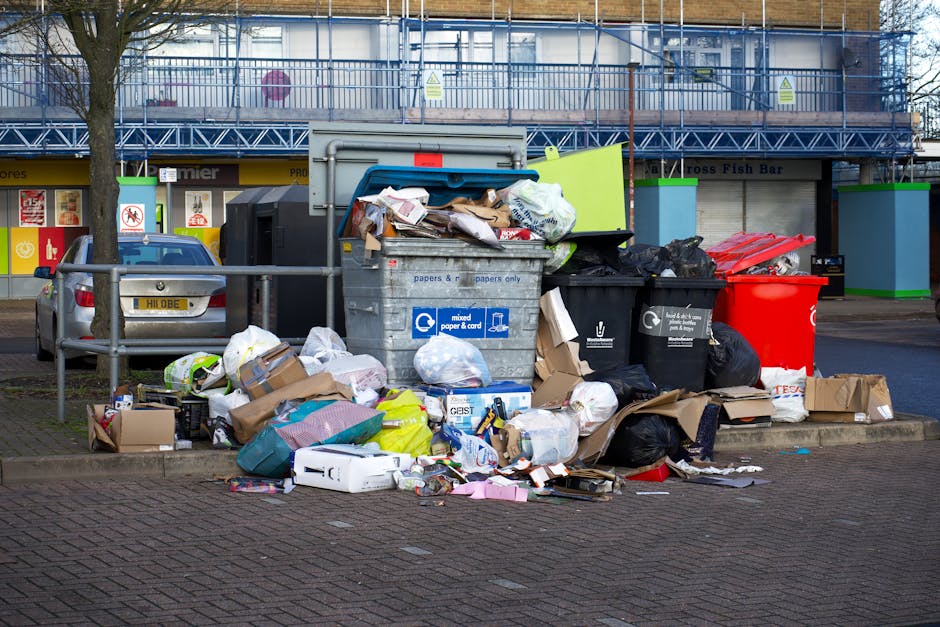
SW14 rubbish clearance tips for Mortlake High Street traders
If you run a shop, cafe, salon, deli, or studio on Mortlake High Street, rubbish can pile up faster than you expect. One delivery day, one refurb, one busy weekend, and suddenly the back area looks like a storage cupboard after a small explosion. These SW14 rubbish clearance tips for Mortlake High Street traders are here to help you stay tidy, keep things moving, and avoid the kind of waste problems that eat time, money, and goodwill.
In this guide, you'll find practical ways to plan clearances, choose the right disposal method, manage awkward items, and keep your business frontage presentable. We'll also cover compliance, the common mistakes that trip traders up, and the best options for commercial waste on a busy London high street. Nothing fluffy. Just proper, useful advice.
Table of Contents
- Why it matters
- How rubbish clearance works
- Key benefits and practical advantages
- Who needs this and when it makes sense
- Step-by-step guidance
- Expert tips for better results
- Common mistakes to avoid
- Tools, resources and recommendations
- Law, compliance, standards and best practice
- Options, methods and comparison table
- Case study or real-world example
- Practical checklist
- Conclusion
- Frequently asked questions
Why SW14 rubbish clearance tips for Mortlake High Street traders Matters
Mortlake High Street is the sort of place where presentation counts. Customers notice a tidy shopfront, a clear pavement, and a back-of-house area that looks managed rather than improvised. Waste sitting too long outside a unit can make a business feel less welcoming, even if the products or service are excellent.
For traders in SW14, rubbish clearance is not just about getting rid of old stock or packaging. It's about keeping operations smooth. A blocked yard, a half-full stock room, or a pile of broken display material can slow down deliveries, create trip hazards, and get in the way of day-to-day trading. And let's be honest, nobody wants to drag bin bags through the shop while customers are coming in for a coffee.
There's also the local reality of working on a busy street. Space is limited, timing matters, and awkward access can make a straightforward clearance more complicated than it sounds. That is where sensible planning makes a real difference.
Expert takeaway: the best rubbish clearance plan for a high street trader is the one that fits your trading hours, access restrictions, waste type, and collection frequency - not just the cheapest option on paper.
How SW14 rubbish clearance tips for Mortlake High Street traders Works
At a practical level, rubbish clearance for traders usually falls into three broad routes: scheduled commercial waste collection, one-off rubbish removal, or container-based solutions such as skip hire. The right choice depends on how much waste you have, how fast it builds up, and whether the materials are bulky, recyclable, confidential, or restricted.
For example, a small retailer with mostly cardboard and packaging may need regular commercial waste collection plus occasional extra uplift after deliveries. A cafe might need a mix of food waste handling, packaging disposal, and a quick clear-out after a refit. A trader refurbishing a unit may need something more substantial, such as commercial skip hire, rubbish removal, or even wait and load skip hire if access is tight.
The key is to match the waste stream to the method. Heavy mixed waste, shopfitting offcuts, old shelving, and packaging all behave differently. If you sort them before collection, you often save space and reduce hassle later. Not glamorous, but effective.
Most clearance jobs work best when you:
- estimate the waste volume before booking
- identify anything hazardous or restricted early
- decide whether the waste can be sorted for recycling
- check access for loading vehicles or containers
- plan the collection around quiet trading periods
That last point matters more than people think. A collection at 7:30 a.m. before footfall picks up is usually far easier than trying to sort waste at lunchtime while the street is busy and you're trying to serve customers.
Key Benefits and Practical Advantages
Good rubbish clearance does more than remove clutter. It gives a trader breathing room. You feel it immediately when the back area is clear, the bins are under control, and staff are not stepping around old packaging or broken stock fixtures.
Here are the main advantages:
- Better presentation: a cleaner frontage and rear area reflects well on the business.
- Safer working conditions: fewer trip hazards, fewer blocked exits, and less manual handling stress.
- More usable space: storage areas can be used properly rather than becoming dead space for rubbish.
- Faster turnaround: if you're refurbishing or changing stock, clearances help you reopen sooner.
- Less staff frustration: people work better when they are not constantly moving waste around.
- Improved recycling outcomes: separating materials helps route more waste into the right stream.
There's a commercial angle too. If customers see a business that takes cleanliness seriously, it can subtly lift confidence. That may sound small, but on a high street it matters. A tidy site says, "we manage things properly".
For businesses dealing with bulky items or a one-off office or shop strip-out, a service like man and van can be a flexible alternative when a full skip isn't the best fit. In other cases, grab hire services can be useful where waste needs to be removed from awkward access points without keeping a container on site for long.
Who This Is For and When It Makes Sense
These tips are for any Mortlake High Street trader dealing with waste that's larger, heavier, or more frequent than a standard bin service can comfortably handle. That includes independent retailers, cafes, salons, estate agents, small offices, takeaways, repair shops, and mixed-use units.
It also makes sense if you're:
- rearranging stockrooms or storage areas
- dealing with packaging after seasonal deliveries
- clearing out old displays or broken fixtures
- refitting a unit between tenants
- moving to more regular waste planning after repeated overflows
- needing a quick clear before inspections, photos, or a reopening
Some traders only need clearance once or twice a year. Others need it every week. There is no single model that suits everyone, which is why a "one size fits all" approach tends to go wrong.
If you're running a business with confidential paper waste, the clearance plan changes again. In that case, confidential shredding is worth considering so files and printed documents are handled securely rather than dumped with general rubbish. That's especially relevant for offices and professional practices, even small ones.
Step-by-Step Guidance
If you want a calm, workable rubbish clearance process, follow this order. It sounds simple because, truth be told, the simple version is often the one that actually gets done.
- Walk the site properly. Check the shopfront, stockroom, basement, yard, alley access, and any hidden corner where things accumulate.
- Separate your waste types. Cardboard, mixed rubbish, wood, metals, electricals, food-related waste, and confidential items should not all be lumped together.
- Flag awkward items early. Fridges, freezers, display cabinets, old sofas, and appliances need special handling. For those, fridge and appliance removal or mattress and sofa disposal may be the cleaner route.
- Check what can legally go together. If you are unsure about mixed loads, review what can go in a skip before booking anything.
- Choose the right collection method. For bulky but accessible loads, a skip may work well. For awkward access, wait-and-load may be smarter. For heavier site waste, a grab-style solution can save time.
- Book around trading hours. Try to avoid peak service windows. A quieter early slot often reduces disruption.
- Prepare the load area. Make sure staff know where waste should go, and leave the collection point clear. No one likes a last-minute scramble around a delivery trolley.
- Confirm the handling of restricted waste. Hazardous items should be identified before collection, not discovered halfway through. If in doubt, use hazardous waste disposal.
- Keep records. Businesses should retain basic waste paperwork and collection details so they can track disposal properly.
- Review what created the waste in the first place. If the same clutter keeps returning, the problem is operational, not just a clearance issue.
That final step is underrated. If you notice the same box types, broken items, or stock overhang appearing every month, you probably need a slightly different storage or ordering process. Not a bigger bin. A better system.
Expert Tips for Better Results
Over time, the best waste systems are usually the boring ones. Predictable. Clear. A bit repetitive, perhaps, but easy for staff to follow. That is the point.
1. Create a tiny sorting station
Even a modest back-of-house sorting area can save time. Use labelled containers or zones for cardboard, mixed waste, soft plastics, and breakables. It keeps staff from improvising, which is where mess begins.
2. Don't let bulky items sit too long
Old chairs, broken shelves, and packaging pallets have a habit of becoming "temporary" fixtures. Once they start collecting dust, they become part of the furniture. Move them on quickly.
3. Think about security as well as tidiness
If waste is visible from the street or stored outside, choose a method that reduces access and tampering. An enclosed solution may suit businesses that need extra protection, especially if the waste includes stock packaging, branded materials, or items that should not be touched.
For that sort of situation, enclosed and lockable skip hire can be a sensible option.
4. Make recycling easier than dumping
If recycling is more convenient than general waste, people will do it. If it is a hassle, they won't. That is just human nature. The easier you make the process for staff, the better your results.
When possible, use providers and services that support waste recycling services and responsible sorting. It helps reduce mixed waste and supports a cleaner operation overall.
5. Have a "same-day" fallback plan
Things go wrong. A delivery turns up unexpectedly, a storage area gets flooded, or a fit-out produces more waste than expected. It happens. If you have a trusted fallback, you won't spend half the day panicking.
For urgent situations, same day skip hire can be a practical safety valve when timing is tight.
Common Mistakes to Avoid
A lot of clearance trouble comes from small mistakes made early. The frustrating part is that they are avoidable.
- Underestimating the amount of waste: traders often guess low, especially during refits or seasonal stock changes.
- Mixing restricted items with general waste: this can create collection issues and unnecessary delays.
- Blocking access routes: even a tidy pile can become a real problem if it sits where deliveries or staff movement need to happen.
- Ignoring permits or local rules: if a container needs to sit on the public highway, you may need to look into skip hire permits or broader skip permits depending on the arrangement.
- Leaving clearance until the last minute: this usually means rushed booking, poor access planning, and higher stress for everyone.
- Choosing a method that does not suit the site: a skip is not always the best answer on a tight high street.
- Forgetting about staff workflow: if waste collection interrupts trading, the whole exercise becomes more expensive in hidden ways.
One cafe owner I spoke with years ago-this was a rainy Tuesday, naturally-thought two small piles of refurbishment waste would fit into a bin bag solution. By lunchtime it had become a wall of cardboard and broken fittings that nobody wanted to look at. The fix was straightforward in the end, but the lesson stayed: plan for the mess you can see, not the mess you hope will disappear by itself.
Tools, Resources and Recommendations
You don't need a warehouse full of gear to manage commercial rubbish well. But a few simple tools make a noticeable difference.
- Heavy-duty sacks and liners: useful for mixed light waste and packaging.
- Labelled bins or crates: great for separating cardboard, recyclables, and general waste.
- Hand truck or trolley: helpful when moving bulky items safely inside the unit.
- Basic measuring estimate: even a rough square-metre check is better than guessing wildly.
- Collection log: useful if you want to track how often waste builds up and why.
When you need to move a lot of waste with minimal disruption, look at the delivery and access side as much as the disposal side. Some traders are best served by wait and load skip hire, because it avoids leaving a container in a tight area. Others may find grab lorry hire better when the load is too heavy or too awkward for manual handling alone.
If you are doing more than a tidy-up - for example, removing old fixtures, strip-out waste, or dismantled shelving - builders skip hire or builders waste removal may be more appropriate than a standard domestic-style service. Commercial work tends to create mixed, bulky, less tidy waste. That needs the right handling.
Law, Compliance, Standards, or Best Practice
For traders, waste management is not just a nice-to-have. You have responsibilities around how waste is stored, transferred, and handed over. Exact legal duties depend on the type of business and the waste itself, so it is wise to treat this as a compliance issue rather than a casual convenience.
As a practical matter, good practice usually means:
- using a properly licensed waste carrier
- keeping waste transfer information where needed
- separating hazardous or specialist waste from general waste
- avoiding fly-tipping or uncontrolled dumping
- making sure staff know what may and may not be placed into general collections
If your clearance includes specialist materials, handle them separately. Electrical items, refrigeration units, confidential papers, and anything potentially hazardous should not be treated like ordinary shop waste. For instance, if you're clearing a back office or changing business premises, office clearance and confidential shredding are much better aligned to the actual risk than a general tip-and-forget approach.
It is also sensible to work within provider terms and safety guidance. Pages such as terms and conditions, health and safety policy, insurance and safety, and recycling and sustainability can help you understand how a provider expects waste to be prepared and managed. That kind of reading is not thrilling, I know, but it saves headaches later.
If the waste includes appliances, fridges, or anything with specialist components, use the right route rather than taking shortcuts. Compliance is easier when the process is designed properly from the start.
Options, Methods, or Comparison Table
Choosing the right rubbish clearance method depends on access, waste type, speed, and how long the waste will be on site. Here's a simple comparison for Mortlake High Street traders.
| Method | Best for | Strengths | Watch-outs |
|---|---|---|---|
| Commercial skip hire | Renovations, shopfitting, bulk waste | Good capacity, straightforward for many jobs | Needs space; may need permits |
| Wait and load | Tight high street access, quick clearances | No long on-street presence, fast turnaround | Requires the load to be ready on arrival |
| Grab hire | Heavy mixed waste, awkward access, larger loads | Efficient for substantial quantities | Needs sufficient access for the vehicle |
| Rubbish removal | One-off mixed items, flexible clear-outs | Useful where manual loading is better than a container | May not suit very large or ongoing volumes |
| Man and van | Smaller collections, lighter clearances | Flexible and practical for many trader jobs | Less suitable for heavy demolition-type waste |
There is no universal winner. A cafe strip-out might suit one method, while a retail stockroom clear-out may suit another. If you are unsure, it is usually better to choose the option that reduces disruption, even if it looks slightly less convenient at first.
Case Study or Real-World Example
Consider a small trader near Mortlake High Street preparing for a front-of-house refresh. The shop needed old display units removed, broken packaging cleared, and a back storage area emptied so new stock could be delivered the next morning.
At first glance, the job looked modest. But once the team started pulling out shelving, there were timber offcuts, redundant packaging, a few awkward metal fixtures, and some old electrical items that needed separate handling. A standard wheelie-bin approach would have dragged the job out over several days. Not ideal.
The better solution was to sort the waste into two streams: general mixed waste and reusable/recyclable materials. The trader also used a collection method that suited the available access and avoided leaving clutter outside for too long. A quick schedule, a clean loading zone, and a proper sort made the whole thing much smoother.
What changed most was not just the disposal itself, but the atmosphere in the shop afterwards. The staff could move properly again. The stockroom felt manageable. Customers entering the unit no longer saw a half-finished mess behind the till. Small thing, maybe, but it makes a difference.
Practical Checklist
Use this checklist before arranging rubbish clearance for a Mortlake High Street business.
- Have I identified every waste type on site?
- Do I know which items are bulky, confidential, electrical, or hazardous?
- Is the load area clear and safe for collection?
- Have I chosen a collection method that fits my access and volume?
- Do I need a permit if anything goes on the public highway?
- Have I planned the clearance around trading hours?
- Have I separated cardboard, recyclables, and general waste?
- Do staff know what to do on collection day?
- Have I checked the provider's preparation and safety guidance?
- Do I have a follow-up plan to stop the same waste building up again?
If you can tick off most of that without too much effort, you are in good shape. If not, no drama. It just means a little more planning now will save a lot of faff later.
Get a free quote today and see how much you can save.
Conclusion
For Mortlake High Street traders, rubbish clearance works best when it is practical, timed well, and matched to the real conditions of the unit. That means thinking about access, waste type, compliance, and disruption - not just removing the visible pile and hoping the rest sorts itself out.
Whether you need a one-off commercial clearance, a more regular waste routine, or help with bulky items after a refit, the right approach keeps your business cleaner, safer, and easier to run. And honestly, once the clutter is gone, everything feels lighter. The room sounds different. You notice the floor again. It's a small relief, but a real one.
Take it one step at a time, and the whole job becomes far more manageable than it first looks.
Frequently Asked Questions
What is the best rubbish clearance option for a small Mortlake High Street shop?
It depends on the volume and access. Small shops often do well with rubbish removal or man and van collections, while larger refits may need commercial skip hire or grab hire.
Do traders in SW14 need a permit for a skip?
If a skip is placed on the public highway, a permit may be required. If it sits fully on private land, the situation is different. It is best to check the arrangement before booking.
How do I clear bulky items from a shop without disrupting customers?
Book the clearance outside peak trading hours, prepare the load in advance, and choose a method that keeps disruption to a minimum. Wait and load can be useful where space is limited.
Can I put mixed waste into one container?
Often yes, but it depends on the waste type and the service terms. Mixed waste is common in shop clearances, but hazardous, electrical, and confidential items usually need separate handling.
What should I do with broken fridges or appliances?
Use a specialist collection route rather than standard mixed rubbish disposal. Fridge and appliance removal is the safer and more suitable option.
Is same-day clearance realistic for traders?
Sometimes, yes. It depends on availability, access, and the scale of the waste. Same-day skip hire can help when the issue is urgent.
How can I reduce waste build-up in the first place?
Sort waste into clear streams, review delivery packaging, set fixed clearance days, and stop "temporary" storage from becoming permanent clutter.
What happens if my clearance includes confidential paper?
Confidential documents should not go into general rubbish. Use confidential shredding so paperwork is handled properly.
What is the difference between wait and load and a skip?
Wait and load is collected quickly, usually without leaving a container on site for long. A skip stays in place for a longer period, which suits bigger jobs or staged loading.
How do I choose between grab hire and skip hire?
Grab hire is often better for heavy, loose, or awkward loads with accessible frontage. Skip hire can be better when waste will build up over time or when you need more flexible loading.
Are there special rules for hazardous waste?
Yes. Hazardous waste should be separated and handled carefully. If you are unsure whether something qualifies, treat it cautiously and seek the right disposal route.
Can rubbish clearance help with a shop refit or reopening?
Absolutely. Clearing waste quickly can speed up the return to normal trading, reduce hazards, and make the finished space look much better to customers.
If you want a deeper look at the provider side of things, it can also help to review the company's about us page, pricing and quotes, payment and security, and contact us details before you book. Small checks like that make the process feel much more predictable, which is no bad thing.