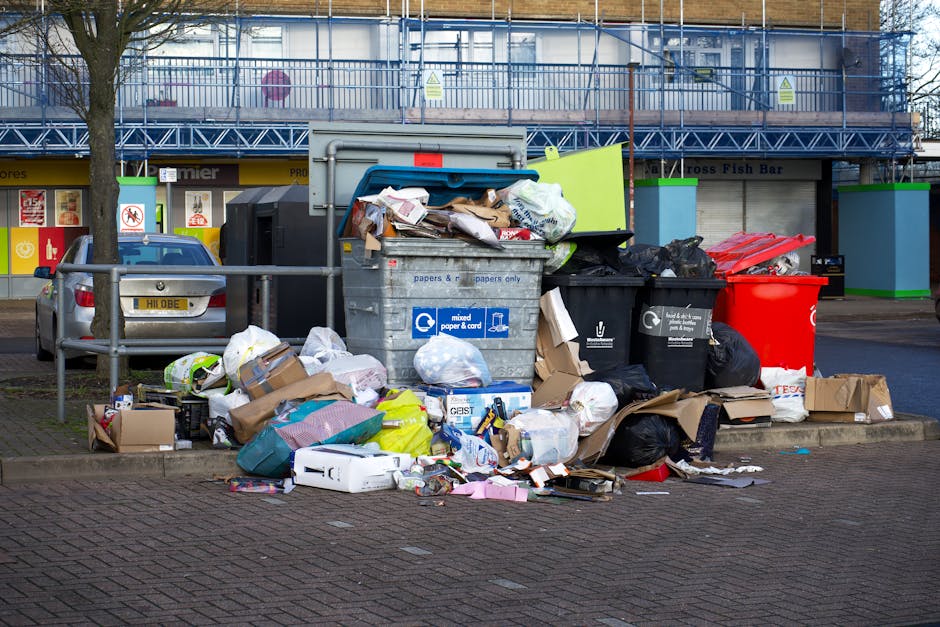
Sheen Lane bulky rubbish removal guide for SW14 homes

If you live near Sheen Lane and you've got a sofa that won't fit through the front door, a broken wardrobe taking up half the landing, or garden clippings building up faster than you can bag them, you are not alone. This Sheen Lane bulky rubbish removal guide for SW14 homes is here to make the whole job feel a bit less stressful and a lot more manageable. The truth is, bulky waste has a way of turning a normal weekend into a bit of a headache. Where do you put it? How do you move it? What can actually be taken away?
In this guide, we'll walk through the practical options available to SW14 households, how bulky rubbish removal typically works, what to check before booking, and the common mistakes that cost people time and money. You'll also find a simple checklist, a comparison of removal methods, and a few grounded tips from real-world experience. Nothing fancy. Just the stuff that helps you clear space properly.
Why Sheen Lane bulky rubbish removal guide for SW14 homes Matters
Bulky waste is different from day-to-day household rubbish. It is larger, awkward to carry, and often made up of mixed materials. A single item can become a small project. A sofa can block a hallway. An old mattress can be impossible to bend or bundle. A broken chest of drawers may look harmless until you try to get it down narrow stairs. If you live in SW14, especially around Sheen Lane, that local layout matters more than people expect.
Homes in this part of London often deal with limited parking, tighter front access, shared driveways, terraced layouts, or side return spaces that are not always ideal for loading waste. That means the removal method you choose needs to fit the property, not just the pile of waste. A straightforward plan can save you from dragging items in and out of the house twice. And nobody needs that drama on a Saturday morning, to be fair.
Good bulky rubbish removal also matters because it affects safety, compliance, and cost. Left outside too early, waste can obstruct pavements or attract complaints. Loaded badly, it can cause damage or injury. Separated properly, some items can be reused or recycled rather than sent straight to disposal. That is better for your home, your neighbours, and your conscience.
Expert summary: the best bulky rubbish removal plan is the one that matches your item type, access conditions, and timing. Small details, like whether the crew can park close by or whether items are already downstairs, often make the biggest difference.
How Sheen Lane bulky rubbish removal guide for SW14 homes Works
There are a few common ways bulky waste is removed from a home in SW14, and the right choice usually depends on volume, access, speed, and what exactly you need taken away. In simple terms, the process usually starts with identifying the items, deciding how quickly they need clearing, and then choosing the removal method that fits.
Typical bulky removal flow
- List the items you want removed, including large furniture, appliances, bags, and odd-shaped bits.
- Check access from the room to the street. Think stairs, narrow doors, basements, garden side gates, and parking.
- Choose a method such as man and van, skip hire, grab lorry hire, wait-and-load, or full rubbish removal.
- Confirm what is accepted, especially if you have electricals, mattresses, garden waste, or potentially hazardous items.
- Prepare the items by separating reusable, recyclable, and non-recyclable material where practical.
- Schedule the collection for a time that suits your home access and neighbours.
- Make sure the area is clear so the removal team can work quickly and safely.
For larger clearances, the process is often smoother if you combine bulky items with other waste removal needs. For example, if you are clearing a garage, loft, or shed at the same time, it may make sense to look at garage and loft clearance as part of a wider cleanout plan. That way you are not solving the same mess twice.
Sometimes the best solution is a skip, especially if the waste is coming out over a few hours or from a full home project. If that sounds more like your situation, it helps to understand the range of skip sizes and prices before you commit. Not every job needs a huge container parked outside for days, and not every job fits into a van either.
What makes SW14 a little different?
Local access is often the deciding factor. Some SW14 homes have more space than others, but many still need careful planning around parking, neighbours, and the distance from the front door to the vehicle. A wait-and-load approach can work well where parking is tight, while a skip may suit properties with easier frontage or drive access. If the waste is already piled at ground level and you want it gone quickly, a same-day option can be a relief. A proper local plan makes everything feel less chaotic.
Key Benefits and Practical Advantages
Bulky rubbish removal is not just about getting things out of the house. Done properly, it brings a few real benefits that are easy to underestimate until the space is clear and you can actually breathe again.
- Frees up space quickly: one room, one loft, one garage, or even a whole hallway can become usable again.
- Saves physical effort: large items are awkward, heavy, and often too much for one person to handle safely.
- Reduces risk of damage: moving a sofa through a narrow landing can easily scuff walls or doors.
- Improves safety: fewer trip hazards and less clutter mean fewer accidents around the home.
- Supports better disposal: items can be sorted for reuse, recycling, or responsible disposal where possible.
- Makes renovation easier: clearing furniture and old materials first makes decorating or remodelling far smoother.
There is also a mental benefit people often mention after a clearance. Once the bulky waste is gone, the whole place feels calmer. It sounds dramatic, maybe, but it is true. A clean room really does change the mood of a house.
For homes that are renovating or refurbishing, bulky waste can be just one part of a bigger stream of debris. In those cases, it may help to look at builders waste removal or construction waste disposal if your project includes rubble, timber offcuts, plasterboard, or packaging. Matching the service to the waste is where the savings usually show up.
Who This Is For and When It Makes Sense
This guide is useful for a wide range of SW14 households, but it is especially relevant if you are dealing with one of these situations:
- You have old furniture to remove after redecorating or moving.
- You are clearing out a property before a sale or rental changeover.
- You have a garage, loft, shed, or spare room full of unused items.
- You have appliances or mattresses that are too large for normal bin collection.
- You are tidying after garden work, DIY, or a small renovation.
- You need a fast solution because clutter has become unmanageable.
If you are not sure whether your load counts as bulky rubbish or something more specialised, ask yourself one question: would this be awkward to carry, lift, or fit into a normal household bin? If the answer is yes, you are probably in the right territory.
It also makes sense for landlords, letting agents, and property managers handling end-of-tenancy clearances. In those cases, timing matters almost as much as volume. You may need the place cleared between tenants with very little wiggle room. And let's be honest, that is when missed details become expensive.
For heavier or mixed loads, some homeowners in SW14 also choose man and van support or grab hire services. Those options can be especially useful if waste is spread across a garden, driveway, or site with tricky access. No need to overcomplicate it, but it is worth knowing the tools exist.
Step-by-Step Guidance
If you want the job to go smoothly, a simple sequence is usually best. Here is a practical way to approach bulky rubbish removal from a Sheen Lane home without overthinking it.
1) Sort the items by type
Make three rough piles: keep, remove, and maybe. That last category is the danger zone, by the way. It has caused more delays than any other. If something has not been used for years and has no obvious resale or reuse value, it may be ready to go.
2) Separate anything special
Fridges, freezers, mattresses, sofas, and electrical items may need particular handling. If you have white goods, it can help to check a service like fridge and appliance removal. Sofas and mattresses can be awkward to move and may need dedicated disposal. That is why mattress and sofa disposal is worth considering if those items are part of the job.
3) Measure awkward items
It sounds obvious, but measuring a wardrobe or bed frame before collection can save a lot of faffing about. Check door widths, stair landings, and the route to the exit. If it barely fit coming in, it will not magically be easier on the way out.
4) Choose the best removal method
If the waste is all in one place and you want minimal disruption, a booked removal service may be ideal. If the items are coming out over several days, skip hire can work better. If the property has no practical skip space, wait-and-load or man and van may suit the access much more neatly.
5) Prepare the site
Clear a route to the door, move delicate items out of the way, and keep pets and children away from the loading area. If there is a gate code, parking issue, or shared access, make that clear in advance. Small thing, big difference.
6) Confirm recycling or disposal preferences
Ask how mixed loads will be handled. Good operators will separate recyclable material where practical and dispose of waste responsibly. If sustainability matters to you, you can also look at broader recycling and sustainability practices on the provider's site before booking.
7) Check the final load
Before the team leaves, do one quick walk-through. Make sure nothing you wanted to keep has been taken by mistake. It happens more often than people think, usually because the room is a bit frantic and everyone is trying to be helpful. A final check is never wasted.
Expert Tips for Better Results
After enough home clearances, you notice the same patterns. The smoothest jobs are rarely the ones with the fanciest equipment. They are the ones where the prep is decent and the expectations are clear.
- Book according to access, not just volume. A small load in a hard-to-reach flat can take longer than a larger load from a driveway.
- Keep heavy items near the exit. If possible, move them the day before so loading is quicker and safer.
- Bundle similar materials together. Wood, cardboard, metal, and electricals are easier to assess when they are grouped.
- Be realistic about "one more item." That extra chair or old desk is often what tips a tidy job into a messy one.
- Ask about timing. Traffic and parking around SW14 can affect collection windows more than people expect.
- Choose the right service for odd loads. For mixed waste, a flexible clearance service is often better than overfilling a skip.
A small practical tip that helps a lot: place the items closest to the door in the order they should be loaded. Heavy and bulky first, lighter or breakable pieces later. It sounds minor. It really is not.
If you want to keep costs under control, look at whether your load can be reduced before booking. Flatten cardboard, remove loose shelves, empty drawers, and separate reusables. For wider cost-saving ideas, the guide on cutting down costs on your next bulky waste cleanout can be a helpful companion read, especially if you are planning a bigger clear-out.
Common Mistakes to Avoid
Most bulky rubbish headaches come from a handful of predictable mistakes. Not dramatic mistakes. Just the sort that feel small at the start and annoying later on.
- Leaving sorting until collection day: this slows everything down and makes it harder to identify special items.
- Assuming everything can go together: some waste types need different handling, and not all services accept the same load.
- Forgetting access details: a missed parking restriction or gate code can derail the schedule.
- Overestimating lifting ability: two people and a staircase is not a safe plan for every item.
- Mixing hazardous items into general waste: this creates disposal problems and can put people at risk.
- Not checking volume properly: a load that looks small in a room can be surprisingly large once stacked in a vehicle or skip.
One more thing people forget: weather. A damp morning in SW14 can make cardboard soggy, furniture slippery, and garden waste heavier than expected. If you are dealing with outdoor waste, a little timing helps. Not glamorous, but very useful.
Tools, Resources and Recommendations
You do not need much specialist kit for a standard bulky clear-out, but a few basic tools can make the job safer and quicker.
Useful tools for a home bulky waste job
- Work gloves for grip and hand protection
- Strong bin bags or rubble sacks for loose material
- Labels or marker pens for sorting
- Tape measure for doorways and larger furniture
- Blankets or old sheets to protect floors and walls
- Basic screwdriver or wrench for disassembling furniture
- Dust masks if you are clearing older loft, garage, or shed contents
For bigger home projects, you may also need a broader clearance approach. A full house clearance can be the cleaner option when the volume is too high for a simple one-off lift. If your waste includes outdoor debris or hedge cuttings, garden waste removal may fit better than general rubbish collection.
And if your waste is tied to a larger project, it may be worth exploring site clearance or muck away services for soil, rubble, and heavier material. Different job, different tool. Simple as that.
Law, Compliance, Standards, or Best Practice
Bulky rubbish removal in the UK should be handled carefully, even when it is a domestic job. You do not need to become a regulations expert, but it helps to know the basics so you can avoid obvious problems.
First, waste should be collected and disposed of responsibly. In practical terms, that means using a provider that handles waste legally and avoids fly-tipping. If a deal looks too cheap and there is no clear explanation of where the waste goes, that is worth questioning. Trust your instinct there.
Second, some items require special handling. Fridges, freezers, electricals, chemicals, paint, certain batteries, and similar items may not belong in a standard mixed load. If you are unsure, ask before the collection is booked. That is not being awkward. That is being sensible.
Third, access and safety matter. Waste should not be left where it blocks public pathways or creates hazards. If a skip is involved, permits may be required in some situations depending on where it is placed. If you are exploring that route, check the provider's skip permits information or the dedicated skip hire permits page before you make assumptions. Better to know early than scramble later.
Finally, good operators should have sensible safety and insurance practices in place. If that matters to you - and it should - take a look at their health and safety policy and insurance and safety approach. You want people who treat your home with care, not just speed.
Options, Methods, or Comparison Table
There is no single best method for every SW14 home. The right choice depends on the waste type, access, and how much involvement you want in the process. Here is a straightforward comparison.
| Method | Best for | Pros | Trade-offs |
|---|---|---|---|
| Rubbish removal / man and van | Mixed bulky items, quick clear-outs, limited access | Flexible, usually fast, little lifting for you | May cost more per load than a skip if the volume is large |
| Skip hire | DIY projects, gradual loading, larger mixed waste | Convenient over several days, good for ongoing jobs | Needs space, may require permits, not ideal for tight access |
| Wait-and-load | No room for a skip, fast front-of-house loading | Great for restricted streets, avoids leaving waste on site | Requires everything ready at the collection time |
| Grab lorry hire | Heavy or loose waste, larger piles from driveways or gardens | Efficient for bulk, works well for loose material | Needs enough access for the lorry and loading area |
For smaller domestic jobs, domestic skip hire can be practical if you have space and want to work through the clear-out at your own pace. For quicker turnarounds, same-day skip hire may be useful when time is tight. If you need something enclosed for extra security or tidiness, enclosed and lockable skip hire can be worth a look too.
The point is not to chase the fanciest option. It is to avoid paying for space or service you do not need. That's the bit people miss.
Case Study or Real-World Example
Picture a fairly typical SW14 home near Sheen Lane. The owners have been living there for years and finally decide to clear the back bedroom, a small loft cupboard, and an old sofa from the lounge. Nothing dramatic. Just a long-overdue reset before decorating.
At first, the sofa looks manageable, the cupboard seems tiny, and the bedroom clutter looks like a couple of bags. Then the sorting starts. There are broken lamps, three bagged piles of old files, a mattress, a couple of side tables, a stack of cardboard, and a garden chair that has seen better days. Suddenly, the job is bigger than expected. Familiar story.
They measure the hallway, check whether the front access is clear, and decide that loading everything in one go would be easier than stretching the job out over several weekends. The mattress and sofa are flagged separately, loose cardboard is flattened, and the rest is grouped by type. The collection is booked for a time when parking is easier on the street.
The result? A much quicker pickup, less back-and-forth, and no awkward last-minute reshuffling. The owners also realise they should have cleared the cupboard first, not last. Small lesson, but a useful one. And yes, the room looked much bigger afterwards. That part is always a nice surprise.
Practical Checklist
Use this checklist before your collection day. It keeps the process simple and reduces the chance of a last-minute problem.
- List every bulky item you want removed
- Check whether any item needs special handling
- Measure large furniture and check exit routes
- Decide whether skip hire, wait-and-load, or full removal suits the space
- Clear walkways and protect floors if needed
- Separate reusable, recyclable, and general waste where practical
- Confirm parking, access, and any gate or entry instructions
- Move pets, children, and valuables out of the working area
- Keep a quick note of anything that must stay
- Do a final check before the vehicle leaves
If you are clearing more than just bulky items, it may also help to review what can go in a skip so you do not accidentally mix the wrong materials. That sort of small pre-check saves needless hassle later.
Get a free quote today and see how much you can save.
Conclusion
Bulky rubbish removal on Sheen Lane does not need to feel like a major ordeal. With the right approach, SW14 homeowners can clear awkward items safely, avoid unnecessary stress, and choose a method that fits the property rather than fighting against it. That is really the key idea here: match the waste, the access, and the timing, and the job becomes far more manageable.
Whether you are clearing one sofa, a full room, or a long-overdue pile from the garage, a little planning goes a long way. Sort first, measure what matters, and choose the disposal method that suits your home. Simple, practical, done.
And once the clutter is gone, you will feel the difference straight away - quieter rooms, cleaner lines, and that slightly satisfying sense that the house has room to breathe again.
Frequently Asked Questions
What counts as bulky rubbish in a SW14 home?
Bulky rubbish usually means items that are too large, heavy, or awkward for normal household bins. That often includes sofas, mattresses, wardrobes, appliances, garden furniture, and similar household items.
Is skip hire or rubbish removal better for Sheen Lane properties?
It depends on access and volume. If you have space and want time to load gradually, a skip may suit. If parking is tight or you want the waste removed in one visit, a rubbish removal or man-and-van style service can be easier.
Can I get same-day bulky rubbish removal?
Sometimes, yes. Same-day collection is often possible if the provider has availability and the items are ready to go. The earlier you enquire, the better your chances of getting a slot that works.
What should I do with a mattress or sofa?
Mattresses and sofas are bulky, awkward, and often best handled through a dedicated disposal service. It helps to use a provider that knows how to deal with those items properly and safely.
Do I need a permit for a skip in SW14?
You may need a permit if the skip is going on a public road or certain shared spaces. Requirements vary by location, so it is sensible to check before booking rather than assuming.
Can mixed household waste go in one collection?
Often, yes, but not everything can be mixed together. Electrical items, hazardous materials, and certain special waste streams may need separate handling, so it is best to confirm in advance.
How do I know which service is cheapest?
The cheapest option depends on how much waste you have, how easy it is to access, and how quickly you need it gone. The lowest upfront price is not always the best value if the service does not suit your property.
What if I live in a flat or maisonette near Sheen Lane?
Flat access can change everything. Narrow stairs, limited parking, and shared entrances can make a flexible collection service more practical than a skip. It is worth explaining your access clearly when you enquire.
Will the waste be recycled?
Recycling depends on the materials in the load and the provider's sorting process. Many reputable services aim to separate recyclable items where practical, but no mixed load is fully guaranteed to be recyclable.
Can I put broken appliances in a skip?
Sometimes, but not always. Appliances may need separate handling because of electrical parts or refrigerant issues, especially for items like fridges and freezers. Always check before loading them in.
How far in advance should I book bulky rubbish removal?
If your timings are flexible, booking a little ahead usually helps. For urgent clear-outs, same-day or next-day options may be available, but you should not leave it too late if access is tricky.
What is the main mistake people make with bulky waste?
The biggest mistake is underestimating the size of the job. A few large items can quickly turn into a much bigger load once they are gathered together. A proper plan saves time, money, and a fair bit of frustration.