Barnes Bridge rubbish collection options near the river
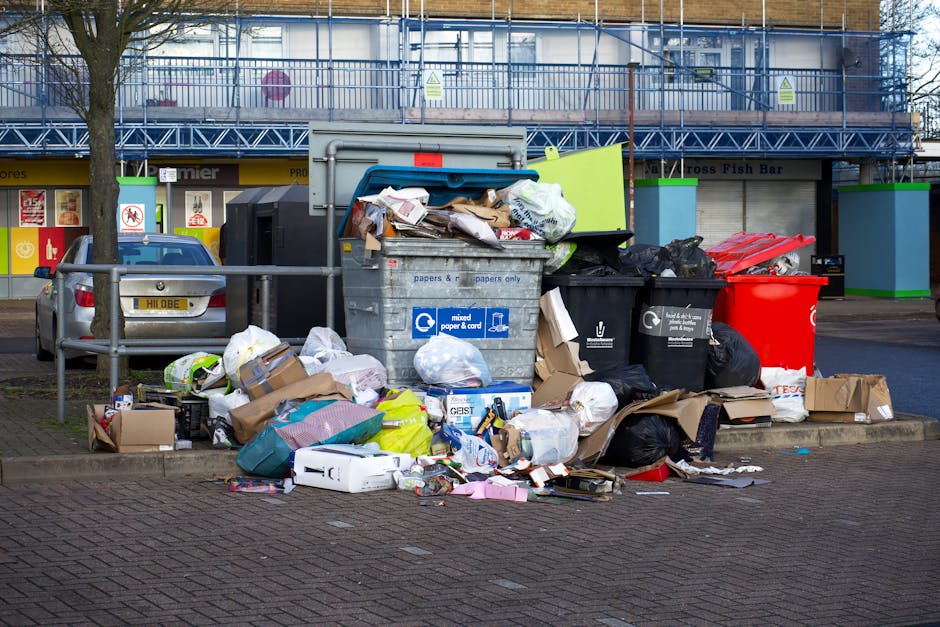
Rubbish collection near Barnes Bridge is one of those jobs that sounds simple right up until you're dealing with tight streets, river traffic, limited parking, and the kind of access that makes a standard waste plan feel a bit optimistic. If you're clearing a flat, tidying a garden, managing a renovation, or dealing with bulky items near the river, the right Barnes Bridge rubbish collection options near the river can save time, reduce disruption, and help you avoid awkward mistakes.
In this guide, we'll walk through the most practical collection methods, explain when each option makes sense, and highlight the details people often miss - especially around access, timing, permits, and what can and cannot go in a load. You'll also find a comparison table, a real-world style example, and a straightforward checklist so you can make a confident decision without the usual guesswork.
Why Barnes Bridge rubbish collection options near the river Matters
Barnes Bridge sits in a part of southwest London where the environment changes the job. Roads can be busy at peak times, nearby properties may have restricted access, and the river setting often means you need to think a little more carefully about where waste is placed, how long it stays there, and how it's removed. That sounds fussy, but in practice it simply means planning matters more here than it might elsewhere.
If you're working close to the river, waste that is left out too long can become an eyesore, a trip hazard, or something that gets damp, scattered, or blown about. Anyone who has watched cardboard flap around on a windy afternoon near the Thames will know exactly what that looks like. Not ideal, to be fair.
Choosing the right collection option is also about protecting neighbours and keeping the site manageable. For a small domestic clear-out, a large skip may be overkill. For building waste, a one-off man and van collection may be too limited. And if access is awkward, the most convenient-looking option on paper can become the most frustrating one on the day.
That is why local decision-making matters. The best option is the one that fits your waste type, volume, timing, and access conditions - not just the one that sounds cheapest at first glance. If you need a broader overview of waste removal services, the main rubbish removal page is a useful starting point, while waste recycling services help put the disposal side into context.
How Barnes Bridge rubbish collection options near the river Works
Most rubbish collection jobs near Barnes Bridge fall into one of a few familiar patterns. You either need a container delivered, a vehicle-based removal service, or a flexible method that lets waste be loaded and taken away in one visit. The trick is working out which one suits the site rather than forcing the site to suit the service.
In simple terms, the process usually looks like this:
- Identify the type of waste you have and estimate how much there is.
- Check access, parking, and loading space near the property or work area.
- Decide whether the waste can sit on site, needs immediate removal, or should be loaded straight away.
- Choose the collection method that matches the job.
- Confirm any permit, access, or timing requirements before booking.
- Separate prohibited items and fragile materials in advance.
For example, if you're clearing a garden terrace near the river and only have branches, soil, and light green waste, a dedicated garden collection can be far more efficient than over-ordering a large skip. If you are dealing with mixed renovation debris - plasterboard, timber, packaging, old fixtures - a proper skip or grab-style collection is often more sensible.
That said, the best method depends on what's actually on the ground. The nicest-sounding solution is not always the smoothest one. A wait-and-load arrangement, for instance, can work brilliantly when parking is tight and you want the waste gone fast. If you need something more robust and site-friendly, a skip hire option may fit better, especially when paired with the guidance on what can go in a skip.
Key Benefits and Practical Advantages
The main benefit of choosing the right rubbish collection option near Barnes Bridge is control. You control the timing, the disruption, the cost profile, and how much waste can be dealt with at once. Near the river, that control is more valuable than people sometimes expect.
- Less disruption: The right method reduces loading time, avoids repeated trips, and keeps the pavement or driveway clear for longer.
- Better access management: This is especially useful where parking is limited or where a large vehicle would block neighbours.
- Cleaner presentation: In a visible riverside setting, tidy waste handling makes a noticeable difference.
- Safer working conditions: Proper collection reduces trip hazards, stray debris, and manual handling strain.
- Improved recycling outcomes: A planned collection is usually easier to sort and route for recovery.
There's also a practical mental benefit, which sounds a bit soft until you're in the middle of a clearance job. Knowing the waste is under control makes everything else feel more manageable. You get on with the actual project instead of staring at a growing pile and thinking, right, what now?
If your project includes mixed material, consider whether a service such as grab hire services or man and van is more efficient than a static container. For heavier construction waste, builders skip hire or construction waste disposal can be more appropriate.
Who This Is For and When It Makes Sense
Barnes Bridge rubbish collection is not just for builders. In fact, some of the most common jobs are domestic and one-off clearances. The area attracts a mix of homes, small businesses, refurbishment projects, and periodic clean-ups, so the likely use cases are broader than people think.
This topic is especially relevant if you are:
- clearing a flat, house, loft, or garage near the river;
- renovating a kitchen or bathroom;
- disposing of garden cuttings, branches, or soil;
- managing a small building or refurbishment project;
- replacing furniture or bulky household items;
- needing fast clearance after a tenancy change or property sale;
- dealing with office or commercial waste that cannot be left on site.
For domestic jobs, a simple domestic skip hire plan may be all you need. For house moves, combined storage and clearance situations can benefit from house clearance or garage and loft clearance. If the waste is business-related, commercial skip hire or office clearance might be more suitable.
And if you are looking at awkward bulky waste - the kind that needs a bit of choreography to move - services such as mattress and sofa disposal or fridge and appliance removal can save a lot of hassle.
Step-by-Step Guidance
If you want the simplest route to the right collection choice, use a proper decision process. It sounds almost too obvious, but it stops a lot of wasted spend and a fair bit of frustration.
- List the waste type. Separate inert rubble, mixed construction waste, green waste, bulky household items, and anything that may be restricted.
- Estimate volume honestly. People routinely underestimate how much waste there is. A small pile can become a very respectable mountain by lunchtime.
- Check access near the property. Is there room for a vehicle, a skip, or temporary loading? Can a vehicle turn safely?
- Decide whether you need short-stay or on-site storage. If waste will be gathered over several days, a skip may make sense. If it's going in one go, wait-and-load or man and van could be better.
- Review restricted items. Hazardous and specialist waste must be handled separately.
- Confirm permit needs. If a container may need to sit on public land, you should check the permit route in advance.
- Book the service that matches the job. Don't choose on price alone. Choose on suitability.
For nearby jobs with limited frontage, wait and load skip hire can be a smart option because the waste is loaded quickly without leaving a container in place for long. If the load is urgent, same day skip hire may help when the schedule has gone sideways - and let's face it, that happens more often than anyone wants.
If you're unsure about capacity, the skip sizes and prices page is a sensible place to compare options before you commit.
Expert Tips for Better Results
Having worked through enough waste jobs to know where the real pain points are, a few habits consistently make things easier.
- Pre-sort before collection. Separate wood, metal, soil, green waste, and bulky items where practical. Even a rough sort helps.
- Keep walkways clear. Near the river, pavements and paths can get busy. A tidy loading route matters.
- Think about weather. Wind and rain can turn light waste into a nuisance fast. Cardboard and plastic are the usual culprits.
- Protect surfaces. If you're loading on a driveway or tight forecourt, boards or mats can prevent scuffs and dents.
- Book the right time slot. A quiet hour can be worth more than a cheaper slot that leaves you stuck behind traffic.
Here's a small but useful one: photograph the waste before booking. It saves back-and-forth and helps match the collection method to the actual load. Sounds tiny. It isn't. It can save the whole job from becoming a faff.
If you need tighter security for mixed or sensitive waste, enclosed and lockable skip hire can be worth a closer look. And for worksites where clearance needs to stay tidy from one visit to the next, site clearance is often the more complete answer.
Common Mistakes to Avoid
The most expensive mistake is usually not the service fee. It's choosing the wrong method, then paying again to fix the problem.
- Underestimating volume: A load that looks small in the hallway can be much bigger once it's broken down and stacked.
- Ignoring access constraints: If a lorry can't park safely or a container can't be placed properly, the plan breaks down fast.
- Mixing restricted waste with general rubbish: Hazardous or specialist items should not be hidden in a general load.
- Leaving booking until the last minute: Near busy London routes, timing can matter more than people expect.
- Forgetting about permits or property rules: If the container goes on public land, you need to plan for it. No getting around that.
Another common slip is assuming every collection option behaves the same way. It doesn't. A skip is good for ongoing loading. Grab-style collection works well where access is awkward. Man and van is often best for compact, immediate clearances. Different tools, different jobs.
For anything that may be sensitive or confidential, confidential shredding is far more appropriate than general disposal. Similarly, if there's a suspect item or anything oily, chemical, or potentially dangerous, refer to hazardous waste disposal rather than hoping for the best. That last bit is not a strategy, despite what a few people might think.
Tools, Resources and Recommendations
You do not need a giant toolkit to plan rubbish collection well. What helps most is a clear set of practical resources and a good eye for detail.
- Measuring tape or rough dimensions: Useful for judging access and likely load size.
- Phone camera: Quick photos of the waste, entrance, and loading area are extremely helpful.
- Room-by-room or area-by-area list: Handy for house, garage, loft, or office clearances.
- Waste category checklist: Keep mixed, recyclable, bulky, and restricted items separate in your notes.
- Pricing and service comparison: Check suitability as well as cost.
For cost planning, pricing and quotes is a practical page to review before booking. If you want to understand what the operator stands for, about us and recycling and sustainability provide a better sense of service standards and disposal priorities. Trust matters, especially when your waste is being moved away and you want to know it will be handled properly.
For online booking, the book online route is straightforward when your requirements are already clear. If you still need advice, you can also use the site's contact us page to ask about access, timing, or the right collection type for your job.
Law, Compliance, Standards, or Best Practice
Waste collection in the UK is not just a matter of shifting things out of sight. There are legal and operational expectations around duty of care, proper handling, and using appropriately licensed carriers. You do not need to memorise every rule, but you do need to behave as if the waste still matters after it leaves your property - because it does.
In practical terms, that means checking a few things:
- Waste type: General household rubbish, construction waste, green waste, and hazardous items are not all treated the same.
- Segregation: Keep restricted materials apart from ordinary waste where possible.
- Access and placement: If a container or vehicle will use public space, permission or a permit may be required.
- Safety: Loading should not create avoidable hazards for residents, pedestrians, or workers.
- Documentation: Good operators should be transparent about collection, handling, and disposal expectations.
For permit-related questions, the skip hire permits and skip permits pages are useful references within the site's service structure. If your project is more construction-led, builders waste removal and construction waste clearance can better align the service to site conditions and compliance expectations.
Best practice is fairly simple: know your waste, know your access, and choose a service that can remove it responsibly. That's the whole game, really.
Options, Methods, or Comparison Table
Below is a straightforward comparison of the most common Barnes Bridge rubbish collection options near the river. Exact suitability depends on the load and the site, but this gives you a usable starting point.
| Option | Best for | Main advantage | Possible drawback |
|---|---|---|---|
| Skip hire | Ongoing domestic, trade, and renovation waste | Flexible loading over time | May need space or a permit |
| Wait and load | Quick clearances with poor parking or limited space | No long-term container stay | Waste must be ready when the vehicle arrives |
| Grab hire | Heavy or mixed waste in accessible piles | Can handle larger, awkward loads efficiently | Needs practical loading access |
| Man and van | Bulky items, small clearances, mixed household waste | Fast, convenient, less site setup | May not suit very large volumes |
| Specialist removal | Appliances, mattresses, confidential or hazardous items | Safer and more appropriate handling | Usually narrower in scope |
If you're still undecided, ask yourself one question: do I need a place to store waste, or do I need it gone quickly? That answer usually narrows the choice quite a lot. Then look at size, access, and the sort of mess you are willing to live with for a day or two.
Case Study or Real-World Example
Imagine a small terraced property a short walk from Barnes Bridge. The owners are clearing a kitchen, a few cupboards, some broken shelving, and old garden waste from the rear. The front access is tight, parking is awkward, and the pavement is busy during the day.
At first, a standard skip seems like the obvious route. But once access is considered, it becomes less attractive. A skip may need a permit if placed on public land, and leaving it on a narrow frontage could create inconvenience for neighbours. A better fit might be wait and load, or a small man and van collection timed for a quieter part of the day.
Now change the scenario slightly. Same house, but the job includes ripped-out flooring, plasterboard, timber, and heavy rubble from a refurbishment. In that case, a planned skip or grab-style collection starts to make much more sense. There is no single "best" option; the best one changes with the waste mix and the site conditions. That's the bit people overlook.
A client in this kind of situation often says the same thing afterwards: "I wish we'd thought about the access first." Happens all the time. And it's usually fixable - just not after the truck has been delayed outside the property with nowhere to go.
Practical Checklist
Use this checklist before you book any Barnes Bridge rubbish collection service near the river.
- Have I identified the waste type accurately?
- Do I know roughly how much waste there is?
- Is access for loading or delivery actually workable?
- Will the waste be collected quickly or stored for a few days?
- Do I need a permit or special placement approval?
- Have I separated hazardous, confidential, or restricted items?
- Do I need a skip, grab hire, wait and load, or man and van?
- Have I checked pricing and service details first?
- Is the collection time realistic for the local traffic and site access?
- Do I understand what can go in the chosen service?
If you can answer all ten, you're in much better shape than most people starting the process. Honestly, that alone puts you ahead.
Get a free quote today and see how much you can save.
Conclusion
Choosing the right Barnes Bridge rubbish collection options near the river is really about matching the waste to the site, then matching both to the service. Near the river, small access issues can quickly become major ones, so planning is not a luxury. It is the difference between a clean, simple job and a frustrating afternoon of moving things twice.
For some people, that means a skip. For others, it means grab hire, wait and load, or a straightforward man and van collection. The right answer is usually the one that respects your access, your timing, and the type of waste you have sitting in front of you.
If you keep things practical, ask the right questions, and choose a collection method that actually fits the job, you'll save yourself a lot of hassle. And that, in a riverside part of London, is worth quite a lot.
Frequently Asked Questions
What is the best rubbish collection option near Barnes Bridge?
The best option depends on the waste type, volume, and access. For ongoing clear-outs, skip hire is often a strong fit. For tight access or quick removal, wait and load or man and van may work better.
Do I need a permit for a skip near the river?
You may need a permit if the skip is placed on public land or a highway. If it stays fully on private property, a permit may not be needed, but it is worth confirming the setup before booking.
Is grab hire better than skip hire for Barnes Bridge properties?
Sometimes, yes. Grab hire can be excellent for heavy or awkward waste where access is suitable. Skip hire is better if you want a container on site and can load it gradually.
What if I only have a small amount of rubbish?
For small loads, a man and van service or a small collection option is often more practical than a full-size skip. It avoids paying for space you do not need.
Can bulky furniture be collected near Barnes Bridge?
Yes, bulky items such as sofas and mattresses can usually be collected through suitable specialist disposal services. It helps to confirm the item type in advance so the right vehicle and handling method are used.
What should I do with hazardous waste?
Do not mix hazardous waste into general rubbish. Items such as chemicals, oils, or certain contaminated materials should be handled separately through an appropriate hazardous waste route.
How do I know what can go in a skip?
Check the service guidance before booking and separate anything restricted. If you are unsure, review the what can go in a skip information before loading begins.
Is same day rubbish collection available?
It can be, depending on availability and the type of job. Same day options are most useful when a clearance needs to happen quickly and the load is ready to go.
What is the most cost-effective option?
The most cost-effective option is usually the one that fits the waste and access properly the first time. Choosing the wrong method can cost more in delays, extra visits, or wasted capacity.
How can I prepare for collection day?
Separate waste into rough categories, keep access clear, remove restricted items, and make sure the collection area is easy to reach. A few minutes of prep can save a surprising amount of time.
Are riverfront properties harder to clear?
They can be. Access, parking, pedestrian traffic, and visibility all tend to matter more near the river. That does not make the job difficult, just a bit more planning-heavy than a standard suburban collection.
Where can I get more help choosing the right service?
If you are still unsure, reviewing service pages such as skip sizes and prices, grab hire services, and rubbish removal can help narrow the choice. If you want a direct conversation, the contact us page is the sensible next step.